
Forex day trading involves the buying and selling of currency pairs within a single trading day, taking advantage of intraday price movements. For beginners, this fast-paced trading style can seem overwhelming, but with the right approach and resources, it can also be highly rewarding. This article will guide you through the basics of forex day trading, including essential strategies, terminology, and tips to help you navigate this exciting market. Don’t forget to check out forex day trading for beginners Best Ugandan Brokers for reliable trading platforms.
Understanding the Forex Market
The forex market is the largest financial market in the world, with a daily trading volume exceeding $6 trillion. Unlike stock markets, which operate within fixed hours, the forex market is open 24 hours a day, five days a week. This continuous trading environment creates opportunities for profitable trades at almost any time. However, it also means that traders need to be aware of the market dynamics and price movements at all hours.
What is Day Trading?
Day trading refers to the strategy of buying and selling financial instruments within the same trading day. It typically involves holding positions for a few minutes to several hours, but not overnight. The goal is to capitalize on short-term price fluctuations. Successful day traders often focus on technical analysis, risk management, and market news to make informed trading decisions.
Key Terminology for Beginners
- Currency Pair: In forex trading, currencies are traded in pairs (e.g., EUR/USD), where the first currency is the base currency and the second is the quote currency.
- Pips: A pip is the smallest price movement in the forex market, usually the fourth decimal place in a currency pair.
- Leverage: Leverage allows traders to control larger positions with a smaller amount of capital, which can amplify both profits and losses.
- Margin: Margin is the amount of money required to open and maintain a leveraged position.
- Stop-Loss Order: A stop-loss order is an instruction to close a trade at a specific price to limit potential losses.
Essential Strategies for Day Trading
While there are countless strategies available for day traders, here are a few fundamental ones that beginners should consider:
1. Scalping
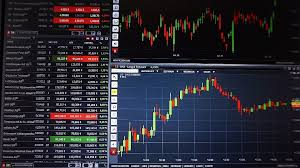
Scalping is a strategy that involves making numerous trades throughout the day to capitalize on small price movements. Scalpers typically hold positions for a very short time and aim for small profits on each trade. This strategy requires quick decision-making and a solid understanding of market trends.
2. Momentum Trading
Momentum trading focuses on stocks or currency pairs that are moving significantly in one direction on high volume. Traders look for patterns and trends to identify potential entry and exit points. The goal is to ride the momentum until signs indicate a reversal or slowing down of price movement.
3. News Trading
News trading relies on economic news and announcements that can significantly impact currency prices. Traders analyze the news calendar and position themselves before or following major releases to take advantage of volatility. Understanding the timing and potential effects of news events is crucial for this strategy.
4. Technical Analysis
Technical analysis involves analyzing price charts and using indicators (such as moving averages or RSI) to identify trends and potential trading opportunities. Day traders often utilize chart patterns, support and resistance levels, and various tools to make informed decisions.
Key Tools for Day Traders
To succeed in day trading, beginners should familiarize themselves with several essential tools:
1. Trading Platforms
A reliable trading platform is crucial for executing trades efficiently. Many online brokers offer trading platforms that are user-friendly and equipped with analytical tools. Look for platforms that provide a demo account to practice trading without financial risk.
2. Economic Calendar
An economic calendar helps traders stay updated on significant economic events, such as interest rate decisions and employment reports, that can affect currency prices. Keeping track of these events allows traders to prepare for potential market volatility.
3. Charting Software
Charting software is essential for technical analysis. It provides visual representations of price movements and allows traders to apply various indicators and overlays. Many trading platforms come with built-in charting capabilities.
Risk Management is Key
Appropriate risk management is essential for long-term success in forex day trading. Here are some tips:
- Never risk more than 1-2% of your trading capital on a single trade.
- Use stop-loss orders to limit potential losses.
- Diversify your trades across different currency pairs.
- Avoid emotional trading; stick to your trading plan.
Continuous Learning and Adaptation
The forex market is dynamic, and successful day traders often engage in continuous learning. This may include:
- Reading trading books and articles.
- Participating in trading forums and communities.
- Attending webinars and online courses.
- Reviewing and analyzing past trades to identify strengths and weaknesses.
Conclusion
Forex day trading can be an exhilarating and potentially profitable venture for beginners. By understanding the basics, implementing effective strategies, and prioritizing risk management, new traders can enhance their chances of success in the forex market. Remember to start with a demo account to practice and hone your skills before committing real capital. With patience and dedication, day trading can be a rewarding experience in the ever-evolving world of forex.
